Orthopaedic Specialists of Connecticut

Orthopaedic Specialists of Connecticut

Orthopaedic Specialists of Connecticut

Exercise is important at any age, and many doctors and researchers say that it is especially important for older adults to stay active. While people tend to lose muscle tone and flexibility over time, there are plenty of ways to ease into a fitness routine to regain strength and mobility.Before you contemplate integrating a fitness routine into your busy schedule, consider some of the benefits of exercise:

  1. Exercise is a natural mood-booster and a great way to increase energy.
  2. Exercise has been shown to prevent or delay diseases in older adults such as heart disease, diabetes, and osteoporosis.
  3. Staying active can improve cognitive function.
  4. Many exercises improve balance, which can prevent falls.

Of course, if you have always been active and physically fit, there is no need to stop once the aging process sets in. Even those who develop chronic illnesses can exercise with permission and advice from their doctor.

If you are currently inactive but you are thinking of beginning an exercise routine, you will need some help along the way. Here is some advice for when you decide to make the lifestyle change.

There are four types of exercise, and depending on what your goals are (lose weight, improve balance, gain flexibility, etc.), you should consider each.

  1. Endurance exercise will increase your heart and breathing rates, improving your heart and lung health, as well as circulation. Depending on your current ability, a gentle walk or an hour of yard work could be enough to see a benefit. If you want to increase your activity level, jogging, dancing, or playing a sport like tennis are great ways to build endurance. Swimming is a low-impact exercise that is perfect for those looking to improve circulation but may have issues with their joints.
  2. Strength exercise improves muscle tone. Ease into a strength-building routine by using resistance bands. For those who need more of a challenge, using free weights or performing bodyweight exercises (sit-ups, push-ups, etc.) may be a good next step.
  3. Balance exercise helps prevent falls and can also build strength. Many older adults take gentle yoga or tai chi classes. At home, you can stand on one foot or practice walking heel-to-toe to increase your balance and improve strength, too.
  4. Flexibility exercise is important for older adults, as it helps increase mobility, stretches muscles, and can help prevent injury long term. Again, yoga is a wonderful way to check several exercise “boxes”, including flexibility. Stretching can be done at a gym or at home, as long as you remember not to push your muscles past their limits. Stretching should be relaxing, never painful.

Generally, older adults over 65 years of age should aim to get 2.5 hours of exercise a week, which averages about 30 minutes on most days. Unless your doctor recommends otherwise, consider working in exercises that cover each of these areas – endurance, strength, balance, and flexibility – for optimum results. For example, if you are just starting, stagger a few morning walks, a few exercises incorporating resistance bands, gentle yoga sessions, and some home stretching sessions throughout the week.

If you are concerned about staying motivated, start small. Make some easy lifestyle changes to begin with. For example, park farther away from your destination so that you have to walk a bit farther, do some light exercises while you watch your favorite TV show, or opt to take the stairs over the elevator. Take your time, challenge yourself a little, and make moves towards a daily routine.

Exercising with friends can make the whole process more fun and motivating. Find a friend who would also like to incorporate exercise into their daily routine, or sign up to try a gentle yoga, tai chi, or stretching class with people you know. Gathering friends together to take a hike or to commit to a weekly morning walk may help pass the time and help you see how enjoyable exercise can be.

Of course, it is always important to check with your doctor before you begin any sort of exercise routine, especially if you’ve been very inactive or if you have ever experienced symptoms such as dizziness, chest pain, joint swelling, discomfort, or if you are dealing with an illness, recovering from surgery, or if you’ve ever had a blood clot or a hernia.

The Orthopaedic Specialists of Connecticut team is committed to providing you with the best orthopedic care – but we also love to see our patients become healthier, stronger, and more flexible. If you are dealing with an orthopedic issue, or if you run into problems in the future, our caring physicians and staff offer state-of-the-art treatment and care to help you get back to living your best life. Call us to schedule an appointment: 203-775-6205.

The Benefits of Stretching

The Benefits of Stretching

The Benefits of Stretching

We always hear our trainers, fitness instructors, and even doctors reminding us to stretch. Sometimes we add a few, quick stretches before or after a workout or a game, but it may not be enough to experience benefits. Even though we know that we are “supposed” to stretch, you may find yourself wondering why it is important, how much stretching you should do, and how often.

For optimum orthopedic health and athletic performance, stretching is key. Here are some of our reasons why you should stretch, as well as tips and pointers regarding how much and how often you should stretch your muscles to see maximum benefits.

Why Stretch?There is nothing controversial about stretching. Just about any athletic trainer, fitness professional, or medical professional will tell you that stretching is critical to increasing flexibility, circulation, and eliminating pain before or after physical activity.

Think about those times when you have been sitting forever, watching TV or stuck on an airplane. Because stretching is a natural, instinctive behavior, we sometimes feel the urge to stretch after we’ve been in one position for a while. Our first inclination when we rise in the morning? Stretching! Stretching “wakes up” your muscles, boosts circulation, and just feels good, usually. It’s also been shown to lower stress levels – think about how a great session of yoga makes you feel.

When you’re involved in a sport or physical activity, the same rule applies. Going from a daily routine to playing a round of golf, running, or lifting weights is a sudden change in activity level. It’s important to stretch to increase your flexibility to avoid injury, as well. People who haven’t stretched more frequently injure themselves, as their muscles are tighter and shorter.

Increased stretching over time will allow you to move and flex more easily. If you stretch adequately each time you play tennis, hit the gym, or go on a walk, your muscles will become longer, less susceptible to injury and strain.

Stretching TipsIt should be noted that stretching is not only for sports and physical activity. Because stretching benefits your overall stress levels and orthopedic health, consistent and gentle stretching is seen as something that can be easily worked into your daily routine. Try some relaxing stretches in the morning or evening before bed.

It’s best to stretch before and after physical activity. Before you engage in sports or activities, your muscles need to be slowly stretched to reduce tightness and resistance. “Slowly” is the operative word here, as stretching a “cold” muscle too quickly could also result in injury. Take several minutes to build up your flexibility, flexing a bit deeper each time. These stretches should not be painful or forced. Following physical activity, stretch to relieve tension, tightness, and to help your entire body relax.

It’s also good to know when to stop stretching, or when you may have injured yourself. If you are experiencing tightness or pain while you stretch (or because you forgot to stretch), the Orthopaedic Specialists of Connecticut team serves all of Brookfield and the surrounding areas. Our professional team can help you find relief and solutions to reduce injury and pain moving forward. Call us today and schedule an appointment: 203-775-6205, or visit our website for more information about our practice: www.ctorthopaedic.com.

A Guide to ACL Injuries and Tears

A Guide to ACL Injuries and Tears

A Guide to ACL Injuries and Tears

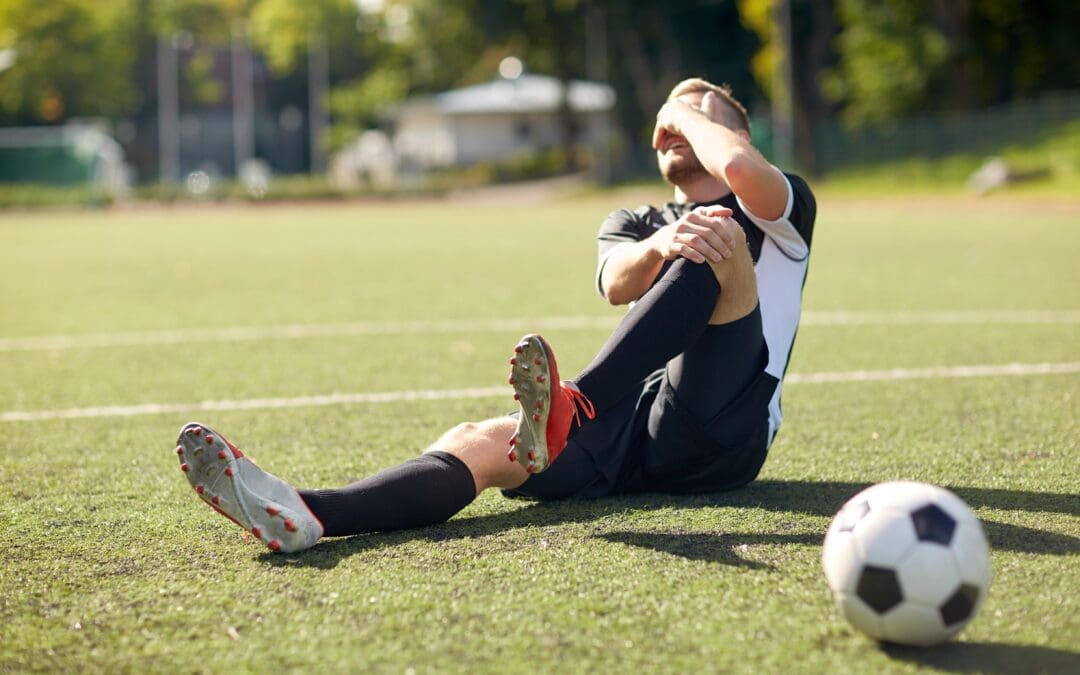
ACL injuries are some of the most common knee injuries and sports injuries that we see at Orthopaedic Specialists of Connecticut. Tearing your ACL can be incredibly painful, and it is important to understand what is happening, how you should treat this injury immediately, and then visit an orthopedic specialist as soon as possible so that you can recover and begin your treatment and rehabilitation plan.

Now that football season has begun, the medical community across the country can expect to see an influx of ACL injuries, including tears. Other sports such as basketball, skiing, and soccer also see high numbers of ACL injuries. The ACL, or Anterior Cruciate Ligament, is located in the center of the knee. ACL injuries, typically sprains or tears, are caused by sudden changes in movement, which could include quick changes in direction, stops, jumping, landing, a direct blow, or kicking.

When an ACL injury occurs, many patients report hearing a loud “popping” sound and feeling a jolt of pain around the center of the knee. The ligament swells and weight-bearing could become impossible. Most patients also report feeling “unstable” or “shaky” following the sprain or tear. After a short period of time, range of motion is limited and, often, pain and swelling begin to increase.

Because the knee is a complex network of bones, ligaments, muscles, and tendons, it’s critical to rule out other injuries. While a torn ACL may prove to be a difficult injury, other injuries to surrounding muscles, tendons, and ligaments could complicate healing and increase recovery time.

If you suspect that you’ve suffered a sprained or torn ACL, it is important to be cautious, rest, and get to an orthopedic specialist as quickly as possible. From this point, there are a variety of ways to treat an ACL sprain or tear, depending on the severity of the injury. Treatment could include rest and varying levels of rehabilitation to regain strength and stability over time. You may require surgery to repair or replace a torn ACL, which would be followed by a period of more intensive rehabilitation.

Avoiding the risk of an ACL injury is not always feasible, especially if you play sports and enjoy athletic activities. An ACL injury could strike at any moment, anytime you are engaged in movement. While there is certainly a correlation between ACL injuries and certain sports, patients can reduce their risk by taking some simple precautions.

  •  Wear well-fitting athletic shoes that are appropriate for your level of activity and are comfortable.
  •  Do not use old or poorly-maintained sports equipment (for example, ski bindings that are not properly adjusted).
  •  Whenever possible, try to practice or play on real grass or hard surfaces, as artificial turf can be unstable and slippery.
  •  Be sure that you stretch before and after you practice or play, and engage in proper conditioning for your sport to build muscle and increase flexibility.

If you believe that you’ve suffered a sports injury, football injury, or possibly a torn ACL, the Orthopaedic Specialists of Connecticut team serves all of Brookfield and the surrounding areas. We offer comprehensive care and treatment solutions that help you regain strength, recover, and feel better moving forward. Call us today and schedule an appointment: 203-775-6205, or visit our website for more information about our practice: www.ctorthopaedic.com.

Tips for Good Orthopedic Health

Tips for Good Orthopedic Health

Of course, as we age, it’s important to keep your mind sharp, your heart healthy, and your cholesterol low. We hear about this often, as more and more Americans deal with age-related health problems and cognitive issues. Less emphasis is placed upon joint and bone health, which is unfortunate. While we certainly need our minds and hearts to live better, healthier lives, we also use our joints and bones every day!

A decline in joint and bone health can bring pain and discomfort, disability, and a much lower quality of life. Luckily, there are some simple preventative measures that you can take now to ensure that your joints and bones work for you well into the future.

Choose Supportive Footwear

This sounds obvious, but many people would be surprised at the number of orthopedic issues that stem from wearing the wrong shoes. If you suffer from pain in any way, from back pain to aching ankles and toes, your shoes could be making things worse.

Even something as simple as tight sneakers or uncomfortable high heels could lead to more than just blisters. Without ample arch support, the body quickly becomes misaligned. Pain, lack of circulation, and inability to walk properly are all signs that you should do research and invest in shoes that offer arch support, comfort, and flexibility. This is the rule with both men and women.

Move and Stretch

If you lead a sedentary lifestyle, the lack of movement will eventually catch up with you. Exercise can be performed at any age, and as we get older, it is smart to incorporate stretching exercises into our daily exercise regimen.

The good thing is that you don’t have to head to a yoga class every morning or sign up for expensive training sessions to move and flex your joints. While yoga and training are both wonderful ways to stay in shape, you can easily perform stretches in your own home, even while sitting down. During moments of good weather, head outside and take a brisk walk, and be sure to do some light stretching before you begin.

With stretching, remember to avoid pain and discomfort. Move and bend, but not to the point where something hurts, or you sense that you may injure yourself. Everyone has different abilities and a different level of tolerance. Ultimately, you know best what movements and stretches to perform to avoid weak joints and bones.

Know Your Body and Avoid Accidents

Many of us have a joint or an area that we feel is a “weak spot”. If you have a lingering back injury, do not tempt fate. Take extra steps to ensure that you are lifting items by distributing weight and that you are bending your knees to reach the floor. Avoid chairs and mattresses that offer no lumbar support. This goes for any area of your body, any joint or bone that is weakened or uncomfortable. Make adjustments, and work to strengthen those areas gently and gradually.

Additionally, favor the larger joints for bigger jobs. Use your entire arm and shoulder to lift objects in your hand. Use the strength of your entire core to push and pull objects. Cradle lifted items close to your body to stabilize yourself and eliminate unnecessary strain and hunching.

Seek Medical Advice If Issues Persist

If you do begin to experience pain or a lack of mobility, early intervention is key. Joint and bone problems only get worse if they are not addressed. For information regarding orthopedic health in Connecticut, call the Orthopaedic Specialists of Connecticut and make an appointment: 203-775-6205. Our team can assist you with treatment plans, preventative measures, and solutions for pain management.

Keeping in Shape After an Orthopedic Injury

Keeping in Shape After an Orthopedic Injury

Recovery following a sports injury or surgery can be tedious. The loss of fitness can be frustrating. The best way to deal with the recovery blues is to ease back into exercise with some of the following advice and tips from those who have suffered from orthopedic injuries:

  • Getting Off the Couch Is Key
    You know your body, and you should be honest about what you can handle following an injury and some downtime. The best approach is to talk to your doctor or a trusted orthopedic specialist who can guide you through the process of recovery. Explain that you want to stay fit and active, and they can assess your needs and abilities.

    People recovering from injury are often able to exercise at the gym and perform useful stretches. Ask about a simple gym routine that you can follow, or light stretching to facilitate flexibility and healing.
  • Listen to Your Doctor and Don’t Push It
    If your doctor advises you to avoid putting weight on an injured leg, arm, or joint, follow this advice. It’s best not to push yourself to the point of pain. If you’re unsure about a movement, ask before attempting it.
  • What You Eat and How You Think Are Important
    Good, nutritious food encourages faster recovery, provides energy, and helps you stay active during downtime. It’s also important to avoid constipating foods, which can be a side effect of pain medication.

    Mental health plays a major role in healing. Staying positive can make a real difference—research has long shown a connection between mindset and physical recovery. Be kind to yourself and keep anxiety in check.
  • Get Creative with Your Movement
    One of the best ways to stay motivated is to change up your routine. If you’re recovering from an orthopedic injury, consider modifying movements, using gym machines differently, or focusing on strengthening other parts of your body while protecting the injured area.

If you are dealing with an orthopedic injury, we would love to help you on the road to recovery.

Call Orthopaedic Specialists of Connecticut at 203-775-6205, or visit our website for more information: Orthopaedic Specialists of Connecticut .

What brings you here today?