5 Tips for Choosing a Pain Management Doctor

5 Tips for Choosing a Pain Management Doctor

About 20.4% (50 million) adults in the US struggle with chronic pain. Another 8% (19.6 million) have high-impact chronic pain. If you neglect treatment, pain can impact your work, social, and quality of life.

Choosing the right pain management doctor could make all the difference. They’ll help by developing a customized treatment plan with your needs and situations in mind.

Not sure who to visit for pain relief? Read on to discover how to find the best pain management specialist today.

1. Request Referrals and Reviews

First, talk to friends and family members who have suffered from chronic pain in the past. Ask them if they’ve visited a specialist for pain management solutions in the past year. If they have, ask about the experience working with the doctor.

For example, you can ask:

  • How long have they specialized in pain management
  • What was causing your pain
  • What pain treatments did they recommend
  • Did they help ease your pain
  • Would you visit anyone else

Ask the patient if they encountered any problems (scheduling, billing, etc.) at the doctor’s office, too.

If you’re unable to gather a referral, talk to your primary care doctor. Ask if they can recommend a local pain management specialist.

Once you have a list to work with, head online to learn more about each pain management doctor. Check Google, Healthgrades, and RateMDs.com for patient reviews. Choose a pain specialist doctor who already has a positive reputation.

2. Check Credentials

Review each doctor’s credentials to learn more about their education and training. Confirm they’re board-certified and licensed, too.

Confirm that they’ve completed four years of medical school and a medical residency in pain management.

3. Consider Your Insurance

Determine if the pain management doctors on your list participate in your insurance plan. Take the time to calculate and budge your out-of-pocket costs before scheduling an appointment.

Otherwise, ask the clinic about their self-pay and financing options.

4. Look for Experience

There are over 204,550 pain specialist doctors across the US. However, some specialists have worked in the industry longer than others. As you begin narrowing down your options, try to find an experienced physician.

Someone with years of hands-on experience has likely encountered the problem you’re experiencing. They’ll have an easier time recommending the right pain management solutions. They can help ease your pain by treating the source of the problem.

5. Schedule a Consultation

Schedule a consultation with one of the doctors on your list. Discuss the problems you’re experiencing and ask what pain treatments they would recommend.

Pay attention to how the doctor speaks and acts during the appointment. Are you comfortable around them? Make sure they’re a strong communicator who is easy to understand, too.

Then, review your notes. Determine if you’ve found the pain management doctor who offers the solutions you need before scheduling your next appointment.

Visit a Pain Management Doctor to End Your Pain Today

Finding a pain management doctor is easier than you might think. Use these five easy tips to find the right local specialist. Then, begin your treatment plan to minimize your pain and restore your ability to function.

Ready to find effective pain relief? You’re in the right place.

Contact us today to learn more.

3 Most Common Sports Injuries and How to Avoid Them

3 Most Common Sports Injuries and How to Avoid Them

What reduces depression, helps you lose weight, and helps you live a longer life? The miracle drug exercise.

Sport is so effective at improving our lives that doctors have started prescribing it to their patients.

There are few downsides to physical activity. However, sometimes we can end up with sports injuries when we indulge too much in our favorite exercise.

Whether you are a casual runner or a committed gym enthusiast, there is a chance you may eventually suffer from pain caused by your sport of choice.

This article will examine the three most common sports injuries and how you can avoid them.

1) Knee Injuries

Knee injuries account for about 40 percent of sports injuries. The knee is a complex joint, and we put it through a lot: jumping, pivoting, bending, extending, and supporting heavy weights.

One of the most common knee injuries is patellofemoral pain syndrome, also known as runner’s knee. However, it affects people in various sports and leads to dull pain in the front of the knee.

It is caused by overuse, muscle weaknesses, or direct trauma to the kneecap.

You can avoid patellofemoral pain syndrome by:

  • Proper warm-up before exercise
  • Stretching to boost flexibility
  • Slowly increasing exercise intensity
  • Strengthening quadriceps and hip abductor muscles
  • Losing weight if needed

The best way to manage runner’s knee is rest and anti-inflammatory medication. If the pain does not resolve, a sports injury specialist may recommend additional treatment options.

Other common knee injuries include:

  • Torn ligaments
  • Torn meniscus
  • Dislocation
  • Fracture

Gender and age can also increase susceptibility to knee injuries.

2) Shoulder Injuries

One of the most common shoulder injuries is a rotator cuff injury. The rotator cuff is a group of tendons and muscles that keep the shoulder joint stable.

When injured, it can lead to deep shoulder pain that disrupts sleep and interferes with daily activities. These injuries are often caused by repetitive motions but may also result from a single incident such as a fall or accident.

Common sports associated with rotator cuff injuries include:

  • Swimming
  • Tennis
  • Golf
  • Baseball, football, and volleyball

You can reduce your risk by strengthening shoulder muscles and avoiding repetitive strain. Improving posture and avoiding sleeping on the affected shoulder can also help.

Other common shoulder injuries include impingement and shoulder instability.

3) Hip Injuries

Aside from the knee, the hip and surrounding muscles are also prone to injury.

Sudden directional changes or twisting movements can cause a groin strain, which affects the inner thigh muscles. Mild strains may heal within a couple of weeks, while more severe injuries can require months of recovery.

To reduce the risk of groin strain, stretch the adductor muscles before activity and strengthen them regularly to support hip stability and mobility.

Other sports-related hip injuries include sports hernia and hip bursitis.

Sports Injury Rehabilitation

It can be discouraging to experience an injury that limits your ability to stay active. Many sports injuries can be prevented with proper warm-up routines and strength training, but injuries can still occur.

Contact us for sports injury rehabilitation and treatment to help you recover safely and return to the activities you enjoy.

Carpal Tunnel: What Is Carpal Tunnel and How Is It Treated?

Carpal Tunnel: What Is Carpal Tunnel and How Is It Treated?

Quick, think about America’s most significant medical problems. The flu and heart disease may come to mind, and they should.

But 3.1% of adults aged 18-64 experience carpal tunnel syndrome every year. You should expect to have carpal tunnel problems at some point in your life, especially if you work a desk job. However, you can take action.

What is carpal tunnel syndrome, and where does it come from? What are the most common symptoms of the syndrome? How can you get treatment for it?

Answer these questions and you can fight against carpal tunnel syndrome in no time. Here is your quick guide.

The Basics of Carpal Tunnel Syndrome

Your median nerve runs down the front of your forearm into your hand. It helps you move your hand back and forth and flex your fingers.

The nerve lies inside the carpal tunnel, a narrow passageway through bones and ligaments. If your tunnel becomes compressed, you may develop carpal tunnel syndrome.

People who strain their hands and wrists are at high likelihood of developing the syndrome. Typing on a computer for long hours or carrying objects narrows the carpal tunnel and puts pressure on the median nerve.

People with a family history of the syndrome are also at higher risk for it.

Symptoms of Carpal Tunnel

Most people with carpal tunnel syndrome experience pain. It may feel like burning or tingling, and it can travel up the arm. One common cause of elbow pain is carpal tunnel syndrome, as pain shoots into the elbow and biceps.

You may struggle to hold items in your hands, especially small objects like pens that you hold with your fingertips. It may become hard to coordinate your fingers so you can button your clothes.

Symptoms may begin gradually for no apparent reason. As time goes on, the pain may become more intense.

Treatment for Carpal Tunnel

Anyone with symptoms of carpal tunnel should go to their doctor. Their doctor can conduct tests to see how their nerves are functioning and use an ultrasound to produce images of the carpal tunnel.

If you receive a diagnosis of the syndrome, you can start treatment right away. You may need to wear a brace so you don’t bend your wrist or apply pressure on your tunnel.

You should change your posture so you rest your arms without pushing them against a table.

If you experience chronic pain, you can take a drug like ibuprofen. But if you are not experiencing relief, you can receive a carpal tunnel release.

A doctor will make a small incision in the palm of your hand. They will then cut a ligament on the roof of your carpal tunnel, reducing pressure on your nerve.

This cut will not damage your mobility. The ligament will grow back together, but you will now have more space in your carpal tunnel.

The Essentials of Carpal Tunnel Syndrome

Carpal tunnel syndrome is no joke. It is very easy to pinch your median nerve, and you may be pinching it without knowing you are doing it.

When your median nerve becomes irritated, you may experience extreme pain and muscle weakness. It may become hard to work or hold objects.

You should rest your arms and wear a brace to protect your nerves from pressure. If that doesn’t work, you can have minor surgery on your hand.

Don’t hesitate to get carpal tunnel relief. Orthopaedic Specialists of Connecticut has more than 40 years of experience. Contact us today.

Into the MRI Machine: What Getting an MRI Scan Is Like

Into the MRI Machine: What Getting an MRI Scan Is Like

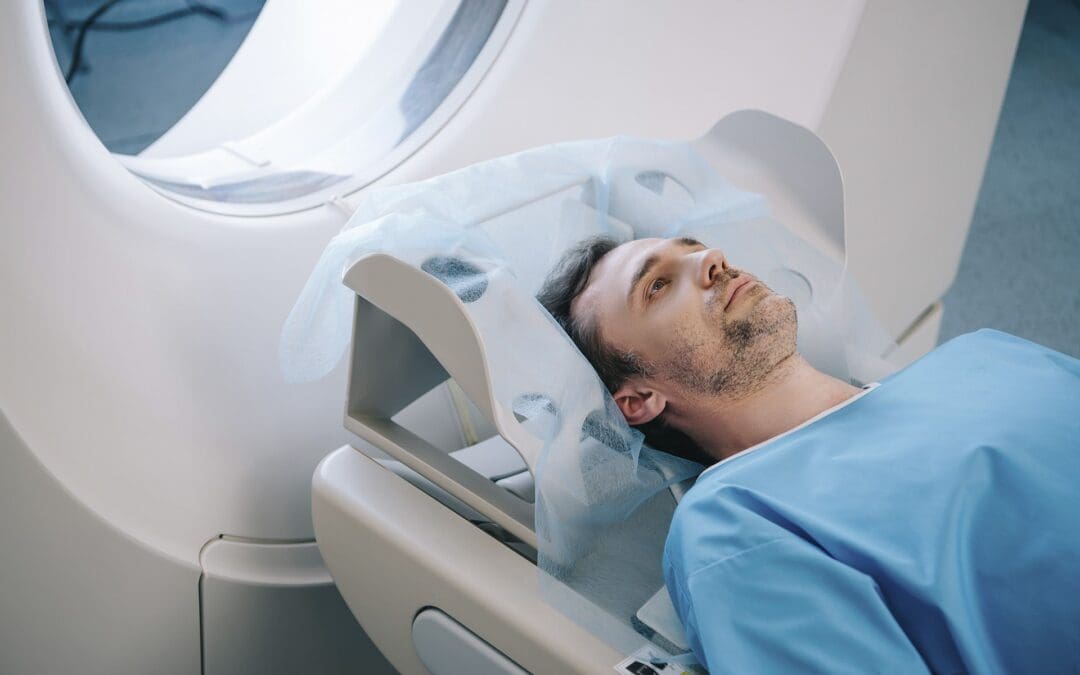
Even if you’ve never heard of an MRI scan, you’ve definitely seen someone get one on your favorite medical drama. An MRI, which stands for “magnetic resonance imaging,” is a common medical procedure. It allows your doctor to see inside your body through a computer screen by using powerful magnets and radio waves.

Your doctor may recommend that you get an MRI scan to diagnose any number of conditions. For example, if you are having hip pain, then your doctor could use this painless procedure to determine if avascular necrosis is causing your hip condition.

No matter what condition you may have, if you are getting an MRI for the first time, then there are a few things you need to be aware of before you go into your appointment. Keep reading to learn what to expect during your MRI procedure.

Leave Jewelry and Any Metals at Home

Before you enter the MRI machine, a nurse will ask you to remove any metals you may have on you. This includes jewelry, belt buckles, and watches.

Because an MRI machine is magnetic, any metals that may be on your person would interfere with it. If you have a pacemaker or some other metal implant, then you should let your doctor know as these can also interfere with the procedure.

Be Aware of What You May Be Injected With

When you go in for your MRI scan, it’s possible that a medical professional will give you contrast materials. A contrast material is a substance that improves the diagnostic value of the imaging results.

If a medical professional gives you contrast materials, then they will also give you a saline flush. The purpose of this saline chaser is to push out any unused contrast materials in the connected tubing and your peripheral vessels. Once they give you the saline chaser, you can expect there to be a salty taste at the back of your throat.

Neither the contrast materials nor the saline flush is radioactive. Your body will flush out both substances within 24 hours after your procedure.

Expect There to Be Loud Noises

If you are claustrophobic, then you can ask for sedation during your procedure.

If you choose to get your MRI without sedation, then you should be prepared to hear loud, unusual sounds throughout the duration of the scan. These are simply the sounds of the machine doing its job and are no cause for alarm.

You may be able to listen to music using headphones to drown out some of the noise, but the machine will always be louder than any music player.

Go Into Your Medical Procedure Prepared

Although getting a medical procedure is never fun, now that you know what to expect, you can go into your MRI scan feeling prepared. Remember to leave any jewelry or metals at home, understand that you may be injected with contrast materials, and be prepared for the machine to make loud noises.

If you have any related questions, then contact us and we’ll do our best to answer them.

How to Prevent and Manage Knee Pain

How to Prevent and Manage Knee Pain

Perhaps it happened when you were running to catch the train or bus. Or maybe you were playing some kind of sport. It may have even happened just when you placed your feet on the floor after getting up in the morning.

Regardless of where it happened, there is no doubt that you remember where you were when you first felt your knee give you trouble. It’s a feeling that is shared by many.

In fact, an astonishing 1 in 4 people are thought to suffer from chronic knee pain.

With this in mind learning how to manage knee pain is something we all can benefit from. So to help you ease the pain, we have put together some practical pain management tips that are sure to prove useful now and long into the future.

What Causes Knee Pain

Knee pain can happen for several reasons. Aging, sports injuries, and trauma to name a few.

Yet the root of the most common causes doesn’t actually stem from the knee. Given its position in the body as a middle man between your hips and feet, weakness in the hips, your ankles, or flat feet can cause your leg to become misaligned, leading to an inflammation on the knee area.

How to Manage Knee Pain

As with most injuries, time and rest are the best healers at the beginning of recovering. So if you have serious knee issues, then be sure to avoid any form of overload at the beginning.

However, if your issue is not severe, contrary to how it may seem, exercise is one of the best ways to manage knee pain.

As muscle weakness lies at the core of many knee complaints, exercise is a great way to help you get back to full health. Incorporating exercises like hip and leg raises, as well as various stretches will increase blood flow into the area and strengthen the knee also.

One last thing. Don’t skip your warm-up!

This seemingly insignificant step will help prepare the area before you get started and can stop you from seeing the knee doctor earlier than you would like to.

Prevention Is Better Than Cure

While there are many effective ways that one can ease the discomfort that comes with knee pain, many of us can do things almost daily that will promote healthy knees.

The most effective way to prevent knee pain is to try to maintain a healthy weight.

As we add on the pounds, they begin to put on added pressure onto a joint that bears the load of our whole body. Just a slight drop in weight is proven to greatly assist in stopping the chances of knee complications.

Another area that surprises many is the type of shoes we wear.

But after having considered why knee pain happens in the first place it makes much sense. Cushioned insoles are great at helping the alignment of the legs overall and as well as improving balance.

Lastly, if you have recently recovered from having knee issues, the way you exercise. at least initially, will do wonders in preventing you from feeling it go once more. Low impact exercises like swimming and rowing are the best to get you on your way to feeling as fit as a fiddle.

Find Relief From Your Knee Pain Today

Regardless of the reasons why you have knee pain one thing is for certain. You shouldn’t have to suffer in silence.

For that reason, if you want to have the peace of mind of knowing that the treatment you are getting to manage knee pain is the best then reach out to us, the Orthopedic specialists of Connecticut.

With over 40 years of experience in interventional pain management, joint replacements, and much more, we pride ourselves on providing our patients with the best care possible. Get in contact for a consultation and some relief today!

What brings you here today?